
The Future of Coworking: Trends Shaping Workspaces in the US


Introduction to the Evolving Coworking Landscape
The coworking industry in the United States is undergoing a significant transformation. As businesses adapt to new ways of working, coworking spaces are evolving to meet the changing needs of professionals. This shift is not just about providing a desk; it's about creating a supportive community and an inspiring environment that fosters creativity and productivity.

Flexibility and Remote Work Integration
One of the most influential trends shaping coworking spaces is the demand for flexibility. With remote work becoming a staple for many companies, professionals are seeking workspaces that offer the freedom to choose where and when they work. Coworking spaces are responding by offering more flexible membership plans, including hourly, daily, and monthly options.
Furthermore, these spaces are integrating advanced technology to facilitate remote work. High-speed internet, virtual meeting rooms, and collaborative tools are now standard offerings, enabling seamless communication and collaboration with remote teams.
Focus on Health and Wellness
In response to the ongoing emphasis on health and wellness, coworking spaces are prioritizing the well-being of their members. This includes incorporating natural elements, ergonomic furniture, and wellness programs into their designs. From yoga classes to meditation rooms, these spaces are designed to support both physical and mental health.
Biophilic Design
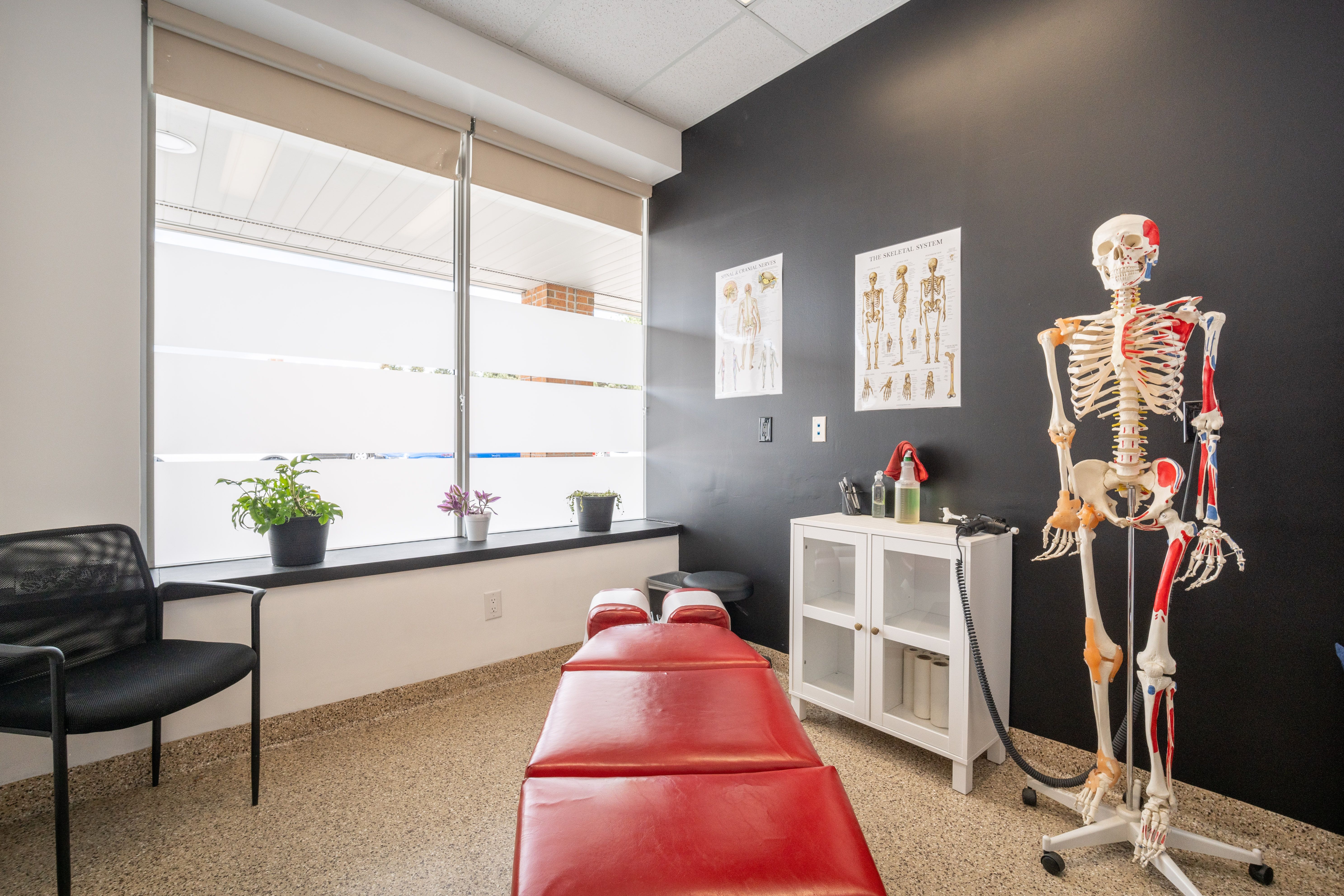
Biophilic design is gaining popularity in coworking spaces. By integrating natural elements such as plants, natural light, and water features, these spaces aim to create a calming environment that enhances productivity and reduces stress.
Community and Networking Opportunities
Coworking spaces are increasingly focusing on building a sense of community among their members. Networking events, workshops, and collaborative projects are becoming common, providing members with opportunities to connect and grow their professional networks.
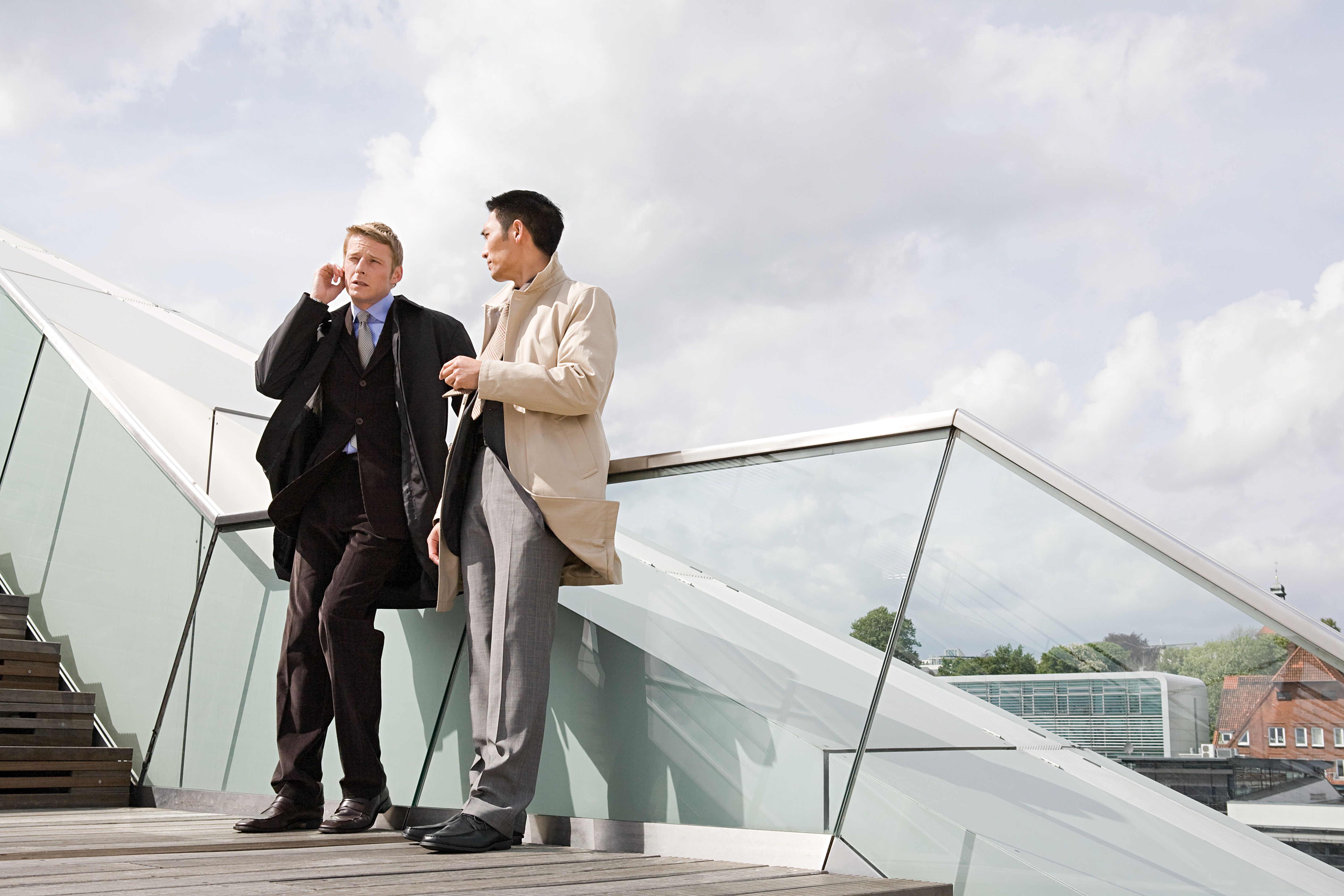
These spaces are not just places to work; they are vibrant communities where individuals can share ideas, collaborate on projects, and support each other's growth. This community-centric approach is a key differentiator for coworking spaces in a competitive market.
Sustainability and Eco-Friendly Practices
As environmental awareness grows, coworking spaces are adopting sustainable practices. From energy-efficient lighting to recycling programs, these spaces are making conscious efforts to reduce their carbon footprint. Some are even using sustainable building materials and offering incentives for members who use public transportation or carpool.
Green Certifications
Many coworking spaces are striving to achieve green certifications, such as LEED, to demonstrate their commitment to sustainability. These certifications not only attract environmentally conscious members but also contribute to a healthier workspace.
Conclusion: Embracing the Future of Work
The future of coworking in the US is bright, with trends emphasizing flexibility, wellness, community, and sustainability. As the way we work continues to evolve, coworking spaces are well-positioned to adapt and thrive, offering innovative solutions that cater to the diverse needs of modern professionals. By embracing these trends, coworking spaces will continue to play a pivotal role in shaping the future of work.