
Seasonal Work Trends: How Coworking Spaces Adapt to Change


Introduction to Seasonal Work Trends
The modern workforce is continuously evolving, and one of the significant shifts we've observed is the rise of seasonal work trends. These trends often reflect changes in consumer behavior, economic conditions, and technological advancements. As businesses adjust to these fluctuations, coworking spaces have emerged as vital hubs of activity, offering flexible solutions to meet dynamic needs.
Seasonal work often involves temporary employment spikes during specific periods, such as the holiday season or summer months. This shift demands adaptable work environments, and coworking spaces are stepping up to the challenge. By providing flexible membership options and diverse amenities, these spaces are becoming essential for businesses and freelancers alike.

The Role of Flexibility in Coworking Spaces
One of the key advantages of coworking spaces is their inherent flexibility. They are designed to accommodate a wide range of work styles and team sizes. Businesses experiencing seasonal shifts can quickly scale up or down, accessing additional desks or meeting rooms as needed. This adaptability is crucial for companies that need to respond swiftly to market demands.
Furthermore, coworking spaces offer short-term leases and membership plans tailored to specific needs. This flexibility allows businesses to avoid the long-term commitments associated with traditional office leases, making coworking an attractive option for those navigating uncertain market conditions.
Adapting to Technological Advancements
As technology continues to shape the workplace, coworking spaces are incorporating cutting-edge solutions to stay competitive. High-speed internet, video conferencing facilities, and state-of-the-art equipment are becoming standard features. These technological advancements enable remote work and collaboration, essential for businesses adapting to seasonal changes.

Fostering a Collaborative Environment
Coworking spaces are more than just physical locations; they are communities that foster collaboration and innovation. Seasonal workers and businesses benefit from networking opportunities, shared knowledge, and potential partnerships. The diverse mix of industries and professionals often leads to creative solutions and new business opportunities.
Community events, workshops, and seminars are regularly organized within coworking spaces, providing valuable learning experiences and fostering a sense of belonging among members. This collaborative environment is particularly beneficial for freelancers and small businesses seeking to expand their networks.
Environmental and Economic Benefits
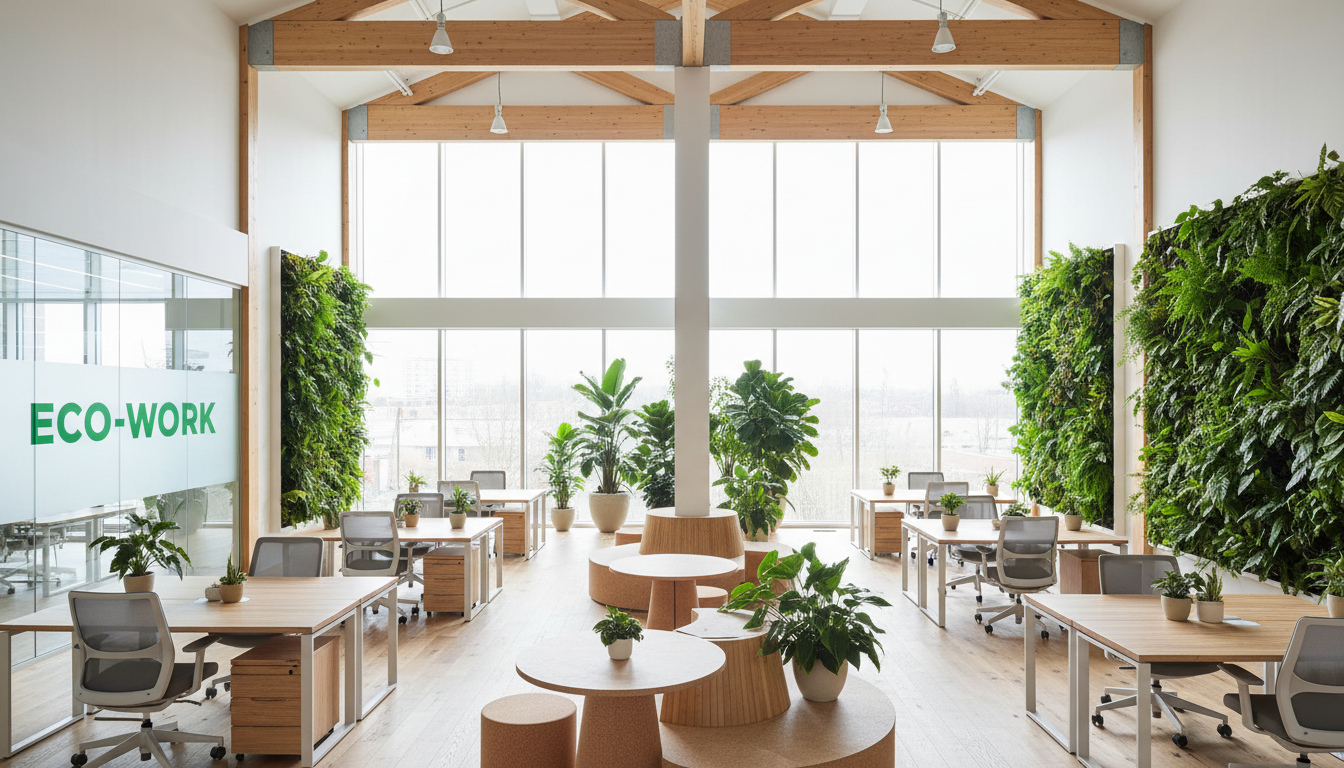
In addition to flexibility and collaboration, coworking spaces offer significant environmental and economic benefits. By sharing resources, businesses can reduce their carbon footprint and contribute to a more sustainable future. Furthermore, coworking spaces often provide cost-effective solutions compared to maintaining a traditional office space.
Conclusion: Embracing Change
As seasonal work trends continue to influence the business landscape, coworking spaces are adapting to meet these challenges head-on. Their flexibility, technological integration, and collaborative environments make them ideal for businesses and individuals navigating the ebb and flow of seasonal demands.
By embracing these changes, coworking spaces are not only supporting the workforce of today but are also paving the way for the future of work. Whether you're a freelancer, a startup, or an established business, these spaces provide the tools and community needed to thrive in a constantly changing world.